
Troubleshooting Flooded Sprinkler Valve Boxes
There is nothing quite as frustrating as stepping out into your yard to enjoy a beautiful sunny day along the Wasatch Front, only to find a muddy, swampy mess pooling around your green utility boxes. A flooded irrigation box is a common headache for homeowners and commercial property managers alike. Not only does it create an unsightly hazard, but it can also lead to wasted water, escalating utility bills, and potential damage to your landscaping infrastructure. In a region where seasonal fluctuations and water conservation are top priorities, addressing these issues promptly is essential for maintaining a healthy outdoor living space.
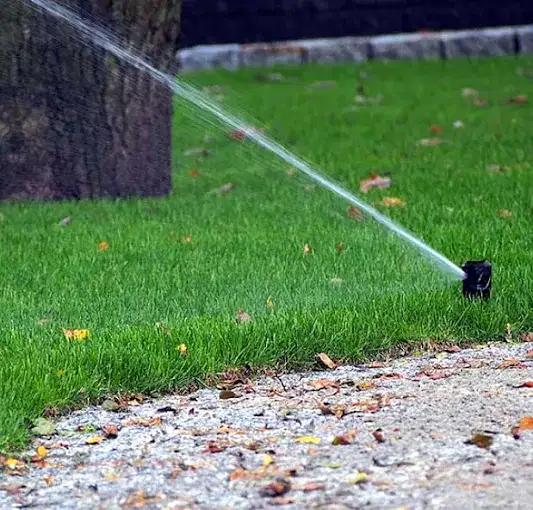
Why Is My Sprinkler Valve Box Full of Water?
If you find yourself asking why is my sprinkler valve box full of water, the first step is determining the source. Sometimes, standing water is simply the result of heavy rain or runoff accumulating in a low point in your yard. However, if it hasn't rained recently, you likely have a leak. Rising costs of water and strict local environmental regulations make it critical to identify the root cause quickly to avoid fines and ballooning expenses. Common culprits include loose fittings, worn-out rubber seals, or a cracked valve body caused by freeze damage during the winter months. Because our regional climate swings from freezing winters to scorching summers, the plastic components in your system endure significant stress over time.
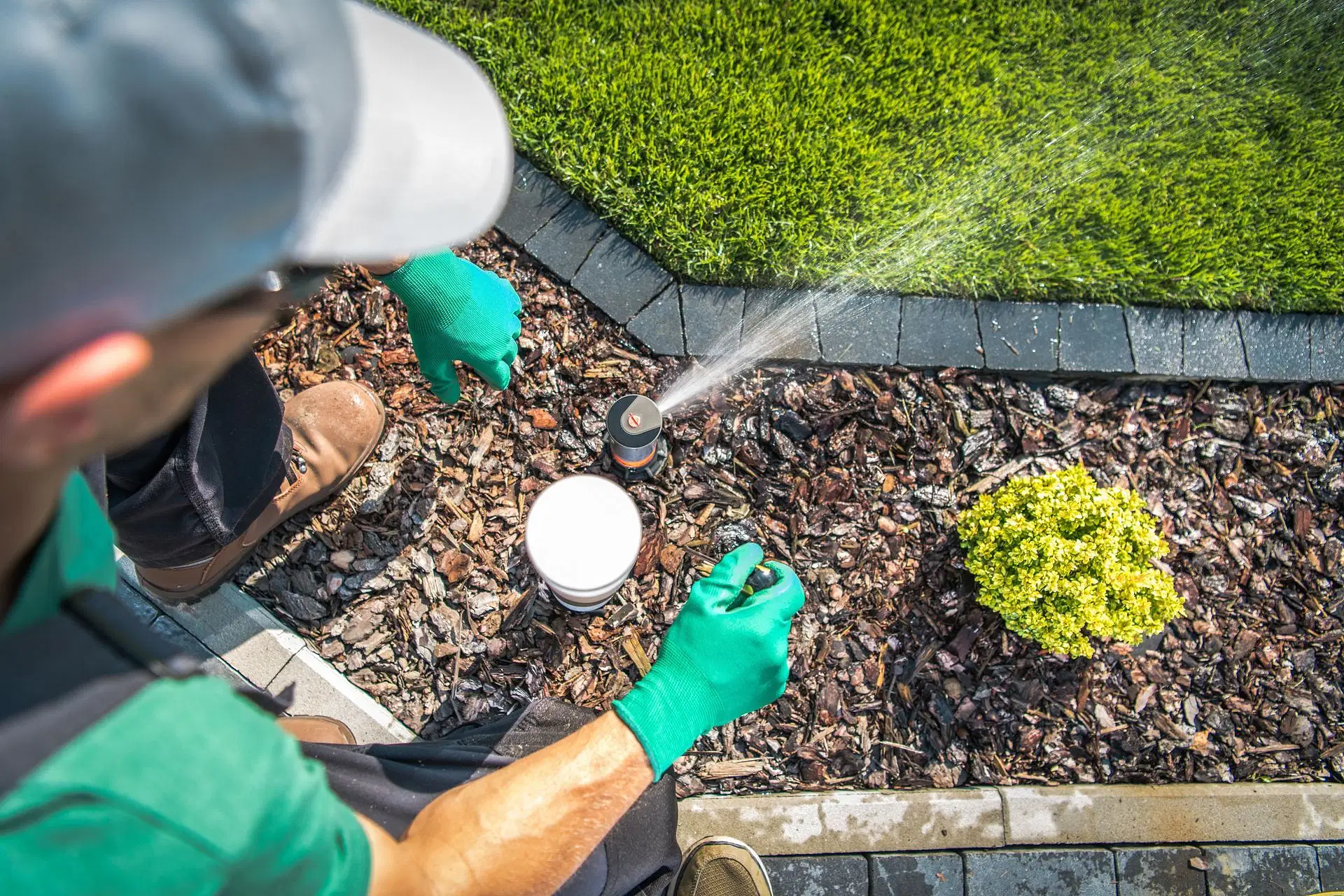
Troubleshooting Standing Water in Irrigation Box
When troubleshooting standing water in irrigation box setups, safety and patience are key. Start by shutting off the main water supply to your irrigation system. Use a small cup or a wet/dry vacuum to remove the standing water so you can actually see the components inside. Once the box is dry, turn the water back on slowly and observe the valves. You are looking for the exact point where the water is seeping out. Pay close attention to the solenoids—the cylindrical parts with wires sticking out—as well as the PVC joints. If you notice water bubbling up from beneath the valves, you might be dealing with a sprinkler manifold leaking underground. This specific issue often requires digging carefully around the box to expose the buried pipes, which can be a delicate process if you want to avoid cutting into essential wiring or creating further damage.
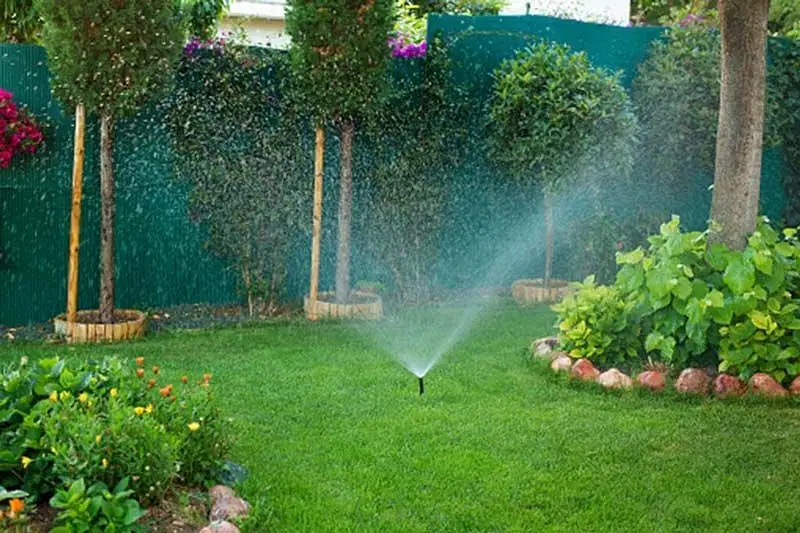
How to Fix Leaking Sprinkler Valve Box Issues
Learning how to fix leaking sprinkler valve box problems can range from a simple DIY tightening of a solenoid to a complex pipe replacement. If the issue is just a loose part or a worn-out diaphragm inside the valve, you can often unscrew the top, replace the internal rubber gasket, and reassemble it. However, if the manifold itself is cracked or the leak is entirely underground, professional intervention is usually the safest and most cost-effective route. Incorrectly repairing a manifold can lead to sudden pipe bursts, wasted time, and even more expensive repairs down the road. Upgrading your system with smart irrigation controllers and high-efficiency valves can also help you stay compliant with local water-use restrictions while keeping your yard looking its absolute best.
At Oberg Irrigation, we pride ourselves on reliability, attention to detail, and transparent pricing for homeowners and businesses navigating these exact headaches. Whether you need fast and accurate sprinkler repairs to stop a sudden leak or a complete sprinkler system revamp to modernize your water usage, our team is here to help. If you live near the I-15 Corridor and need expert assistance getting your irrigation system back on track, reach out to us today to schedule a consultation.