
Taming the Slope: Expert Irrigation Strategies for Your Farmington East Bench Home
Living on the Farmington East Bench offers some of the most stunning views along the Wasatch Front. But that beautiful vantage point often comes with a unique landscaping challenge: a sloped yard. If you've ever watched water from your sprinklers stream down your lawn and onto the sidewalk, you know the frustration. Not only is it a waste of a precious resource, but it also leaves you with dry, stressed patches at the top of the hill and soggy, overwatered areas at the bottom.
Keeping a sloped landscape healthy and green doesn't have to be an uphill battle. The key isn't to use more water, but to use it more intelligently. This guide will walk you through the common pitfalls of hillside irrigation and provide effective, water-wise solutions to ensure every drop counts, keeping your landscape beautiful and your water bills in check.
Why Slopes and Sprinklers Often Don't Mix
Gravity is the main culprit behind the challenges of irrigating a sloped yard. When water is applied faster than the ground can absorb it, gravity takes over and pulls it downhill. This simple process creates a cascade of problems that many homeowners in Davis County are all too familiar with.
-
Water Runoff and Waste: The most obvious issue is runoff. Water that flows onto driveways, sidewalks, and into the street is completely wasted. In our arid Utah climate, this is not just inefficient—it's a significant drain on both your budget and our community's water resources.
-
Uneven Water Distribution: The top of a slope dries out quickly as water runs away before it can penetrate the soil. Meanwhile, the bottom of the slope becomes saturated, which can lead to shallow root growth, fungus, and disease. This results in a patchy, unhealthy-looking lawn.
-
Soil Erosion: Over time, consistent water runoff can wash away valuable topsoil and nutrients. This erosion can expose plant roots, weaken your turf, and make it even harder for your landscape to thrive.
Simply running your sprinklers for longer periods won't solve these issues; in fact, it usually makes them worse. A successful approach requires a strategy tailored specifically to the unique topography of your property.
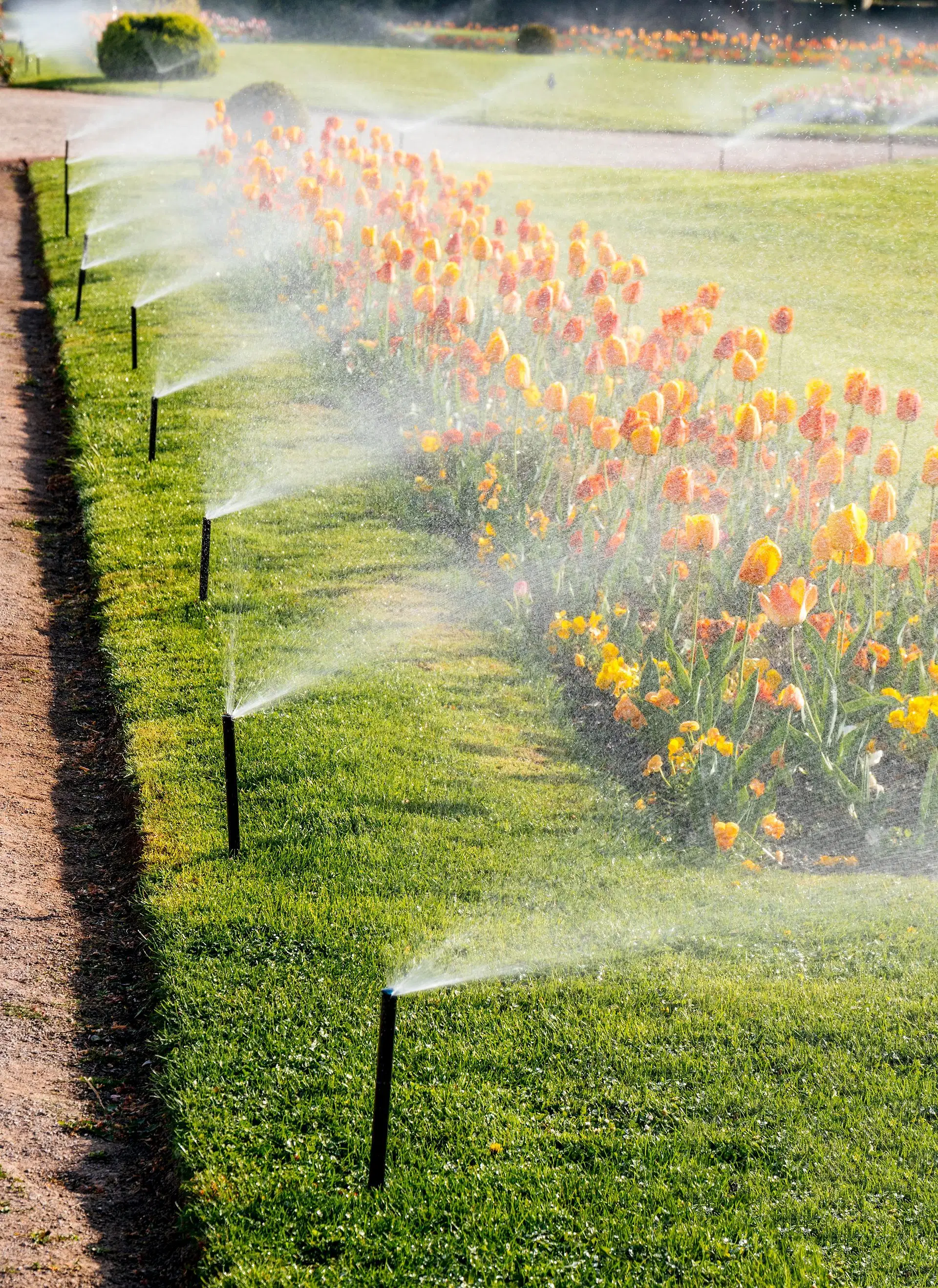
Smart Watering Techniques for Hillsides
Fortunately, modern irrigation technology and proven techniques can conquer the challenges of a sloped yard. By adjusting how and when you water, you can dramatically improve water absorption and reduce waste. Here are some of the most effective strategies.
The "Cycle and Soak" Method
Instead of watering in one long session, the "cycle and soak" method breaks the total watering time into multiple shorter cycles with a pause in between. For example, if you need to water for 15 minutes, you could run your sprinklers for 5 minutes, wait an hour for it to soak in, and then repeat the cycle two more times. This simple change gives the soil time to absorb the water deep into the root zone before it has a chance to run off. Many modern sprinkler controllers have this feature built-in, making it easy to implement.
Choosing the Right Sprinkler Heads
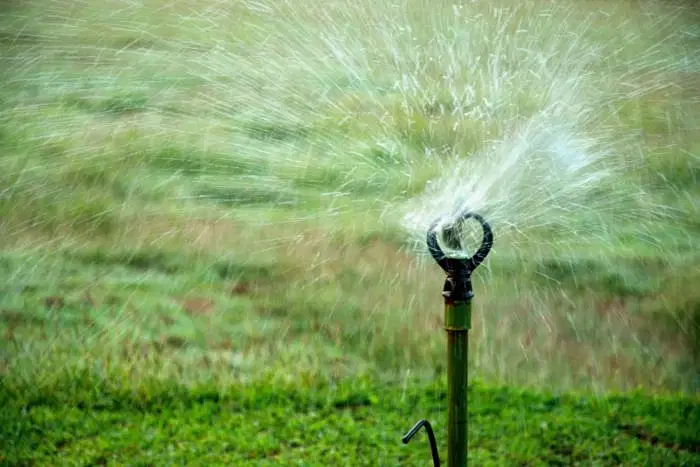
Not all sprinkler heads are created equal, especially on a slope. Standard spray heads can put out water too quickly for a hillside to handle. The solution is to use heads with a lower precipitation rate.
-
High-Efficiency Nozzles: Products like MP Rotator nozzles are a game-changer for slopes. They deliver multiple streams of water at a much slower, more consistent rate. This gentle application mimics a slow rain, allowing the soil to absorb the moisture effectively and preventing runoff.
-
Drip Irrigation: For garden beds, shrubs, and trees on a slope, nothing beats drip irrigation. By delivering water directly to the base of each plant, it eliminates runoff and evaporation entirely, ensuring that every drop is used efficiently. A head-to-drip changeout is an excellent way to convert existing zones to this highly effective method.
The Foundation of Success: Professional System Design
While the right techniques and hardware are crucial, the most effective and lasting solution is a properly designed irrigation system. A system built for a flat yard simply won't perform correctly on a slope. A professional sprinkler design considers the unique needs of your property from the ground up.
Proper Zoning is Critical: An expert will map your yard into different zones based on slope, sun exposure, and plant type. Sloped areas should always be on a separate zone from flat areas, allowing you to program specific cycle and soak schedules just for the hillside. This prevents overwatering your level ground just to get enough moisture onto the slope.
Pressure Regulation: If water pressure is too high, water will mist and drift away before it even hits the ground. A well-designed system includes pressure regulators to ensure each sprinkler head operates at its optimal pressure, maximizing efficiency and coverage.
Investing in a System Revamp: If your current system is constantly struggling, it may be time for a sprinkler system revamp. Upgrading to water-wise components, reconfiguring zones, and installing a smart controller can transform an inefficient system into one that saves you water, money, and frustration. These modern waterwise irrigation systems often pay for themselves over time through lower utility bills.
Achieve a Healthier Landscape, From Top to Bottom
Your home on the Farmington East Bench deserves a landscape that matches its beautiful surroundings. With the right irrigation strategy, you can overcome the challenges of a sloped yard and cultivate a healthy, vibrant lawn and garden without wasting water.
By implementing techniques like cycle and soak, upgrading to high-efficiency nozzles, and ensuring your system is designed for your property's unique layout, you can achieve deep, even watering. This not only conserves a vital resource but also promotes stronger, more resilient plants.
If you're tired of fighting runoff and dry spots, let the experts help. Contact Oberg Irrigation today for a professional sprinkler consultation. We specialize in designing and optimizing irrigation systems for the unique properties throughout the Farmington area, ensuring your landscape thrives for years to come.