
A Homeowner's Guide to Secondary Water and Pump Maintenance in Utah
For many homeowners along the Wasatch Front, having access to secondary water is a significant advantage. This affordable, non-potable water source keeps our lawns green and gardens thriving through the hot summer months without tapping into precious culinary water. However, this fantastic resource isn't a simple 'set it and forget it' utility. The heart of your secondary water system—the irrigation pump—requires specific care and attention to avoid common frustrations like low pressure, clogged sprinklers, and mid-season breakdowns. If you've ever found yourself wondering why your sprinklers are sputtering or your lawn has developed mysterious dry patches, your secondary water pump and filter are likely the culprits. In this guide, we'll walk you through the essentials of managing your secondary water system, from understanding its components to performing crucial maintenance, ensuring your Farmington-area landscape stays healthy and beautiful all season long.
Understanding Your Secondary Water System
Before diving into maintenance, it's helpful to understand what's happening behind the scenes. Secondary water is untreated water sourced from local canals and reservoirs. While it's perfect for your landscape, it also carries silt, weeds, snails, and other organic debris. This is fundamentally different from the clean, pressurized culinary water that comes from your tap.
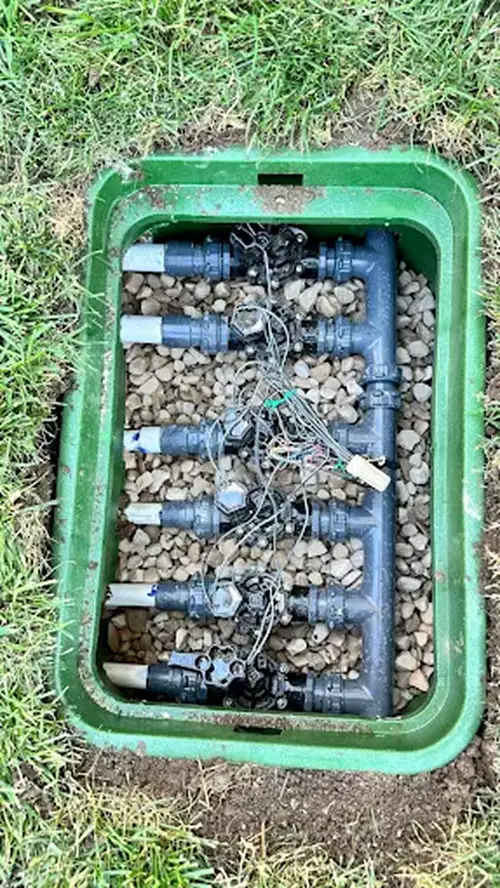
Your irrigation system is designed to handle this. The key components include:
- The Pump: This is the workhorse. It draws the secondary water from the main line and generates the pressure needed to push it through your pipes and out of your sprinkler heads.
- The Filter: This is your system's first line of defense. It's designed to catch the debris before it can enter the pump or, even worse, clog your individual sprinkler heads, which can be a nightmare to clean out.
- The Sprinkler Lines & Heads: The network of pipes and emitters that distribute the water across your property.
When this system works in harmony, you get efficient, cost-effective watering. But a failure in one component, especially the pump or filter, can bring everything to a halt.
Common Irrigation Pump Problems and How to Spot Them
Most issues with secondary water irrigation can be traced back to the pump and filter. Being able to recognize the warning signs can save you from the headache of a brown lawn and the cost of an emergency repair. Here are the most common problems we see:
- Clogged Filter: This is, by far, the number one issue. If your water pressure seems to drop off over time or your sprinklers aren't popping up fully, a dirty filter is the most likely cause. The debris in secondary water can clog it surprisingly fast, starving your pump for water and reducing its output.
- Loss of Prime: Does your pump run, but no water comes out? It has likely lost its prime. This means the pump casing has filled with air instead of water, often due to a small air leak on the suction side of the system. Without water to move, the pump can't create pressure.
- Low Pressure: Even with a clean filter, you might experience low pressure. This can be caused by a worn-out pump impeller, leaks in the sprinkler lines, or issues with the secondary water supply itself.
- Pump Won't Start or Shuts Off: This often points to an electrical issue, such as a blown fuse, a tripped breaker, or faulty wiring. It could also be an internal mechanical failure within the pump motor.
Ignoring these symptoms can lead to more significant damage to your pump or the slow, frustrating decline of your lawn's health. Proactive maintenance is the key to reliability.
Essential Maintenance for a Trouble-Free Season
Keeping your system in top shape doesn't have to be complicated. A few routine checks can make all the difference and ensure your system operates with the reliability you depend on.
1. Clean Your Filter Regularly: This is non-negotiable. During the peak watering season, you should check and clean your filter at least once a week, or even more frequently if you notice a drop in pressure. A clean filter allows your pump to work efficiently without strain.
2. Prime the Pump at Startup: At the beginning of the season, you'll need to prime your pump. This involves filling the pump housing with water to create the suction needed to draw from the main line. If you're unsure how to do this safely, it's a great reason to schedule a professional spring start-up.
3. Inspect for Leaks: Periodically check the pipes and fittings around your pump for any drips or signs of moisture, especially on the intake side. A small air leak is often the hidden cause of a pump that won't stay primed.
4. Professional Winterization: Proper seasonal care is critical. In the fall, your system needs a professional 'sprinkler blowout' to clear all water from the lines, pump, and backflow preventer. This prevents water from freezing, expanding, and cracking pipes, which can lead to extremely costly repairs. For expert help with seasonal tasks, consider our professional Pump Installation & Maintenance services.
If you're consistently battling clogs and pressure issues, it might be time for a Sprinkler Consultation to explore more robust filtration or a system upgrade.
When to Call the Professionals at Oberg Irrigation
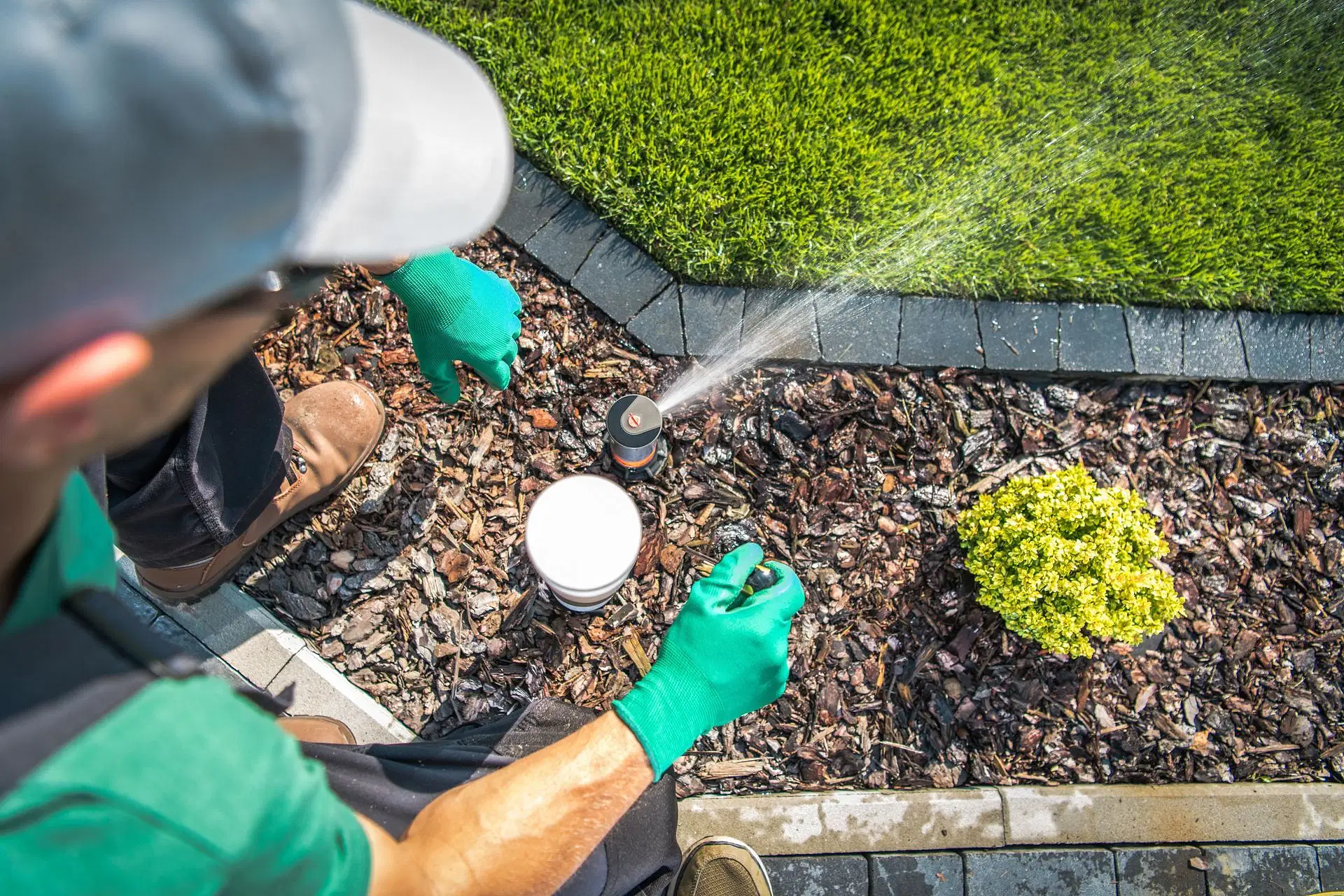
While some maintenance is manageable for homeowners, certain situations require an expert's touch to diagnose and fix the problem correctly and safely. You should call for professional help if:
- Your pump is making unusual grinding, rattling, or humming noises.
- You have persistent low pressure that isn't solved by cleaning the filter.
- The pump cycles on and off frequently or won't turn on at all.
- You suspect an electrical problem with the pump or its connections.
- You're tired of the constant hassle and want to explore more reliable, Waterwise Irrigation Systems.
Attempting complex electrical or mechanical repairs without the right knowledge can be dangerous and often leads to more expensive problems. Our experienced technicians have the tools and expertise to quickly diagnose the issue, from a simple clog to a failing motor, and provide effective Sprinkler Repairs to get your system running perfectly again.
Keep Your Lawn Green and Your System Healthy
Your secondary water system is a valuable asset for maintaining a beautiful Utah landscape. By understanding its components and staying on top of key maintenance tasks, you can prevent most common problems. Remember, a clean filter and a healthy pump are the keys to a reliable and efficient irrigation system.
Don't let pump problems or low pressure compromise the health of your lawn this summer. If you're in the Farmington area and need expert help with your secondary water system—from routine maintenance and repairs to a professional consultation—the team at Oberg Irrigation is here to help. Contact us today to schedule your service and enjoy a hassle-free watering season.