
Preparing Your Sprinkler System for the Secondary Water Shutoff
As the vibrant summer fades into the crisp autumn months along the Wasatch Front, homeowners know that a change in the weather means a vital shift in lawn care routines. For many of us in the Farmington area, one of the most critical milestones in the fall landscaping calendar is the annual secondary water shutoff.
Navigating this seasonal transition properly is essential for the long-term health of your irrigation equipment and your landscape. Failing to prepare your system before the freezing temperatures arrive can lead to cracked pipes, shattered valves, and ruined pumps—all of which translate to costly and frustrating sprinkler repair bills come spring.
At Oberg Irrigation, we believe that a little proactive maintenance goes a long way. Let's walk through the essential steps for preparing your irrigation system for the secondary water shutoff, ensuring your property is protected and ready for the winter ahead.
Understanding the Secondary Water Transition
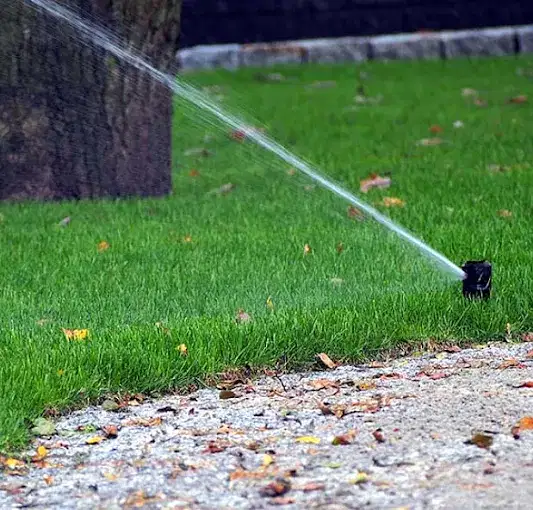
In our region, secondary water systems are typically shut off between late September and mid-October, depending on the specific water district and current drought conditions. This shutoff marks the official end of the heavy watering season and the beginning of your winter preparation window.
Preparing your irrigation system for the secondary water shutoff involves much more than simply turning off your smart controller. Because secondary water often carries sediment, debris, and natural minerals, your system requires a thorough clearing to prevent build-up from hardening inside your pipes and filters over the winter. Start by closing the main shutoff valve to your property. If your system includes a secondary water filter, this is the perfect time to open it, remove the mesh screen, and clean it thoroughly before storing it for the off-season.
Protecting Sprinkler Pumps Before Freezing Temperatures
Many homes, particularly those situated on the East Bench where water pressure needs an extra boost, rely on specialized irrigation pumps to keep their systems running efficiently. These pumps represent a significant investment and are highly susceptible to freeze damage if water is left inside the casing.
Protecting your sprinkler pumps before freezing temperatures arrive is a non-negotiable step in the winterization process. Once the secondary water is shut off, the pump must be disconnected from the power source and completely drained. For centrifugal pumps, remove the drain plug at the lowest point of the pump housing to let all residual water escape. If your pump is portable or easy to detach, we highly recommend moving it into a climate-controlled garage or basement for the winter.
If you are unsure how to safely disconnect, drain, or service your pump equipment, it is always best to rely on a professional. You can explore our pump installation and maintenance services to ensure your equipment is handled with expert care, preventing expensive replacements next year.
When to Schedule a Sprinkler Blowout
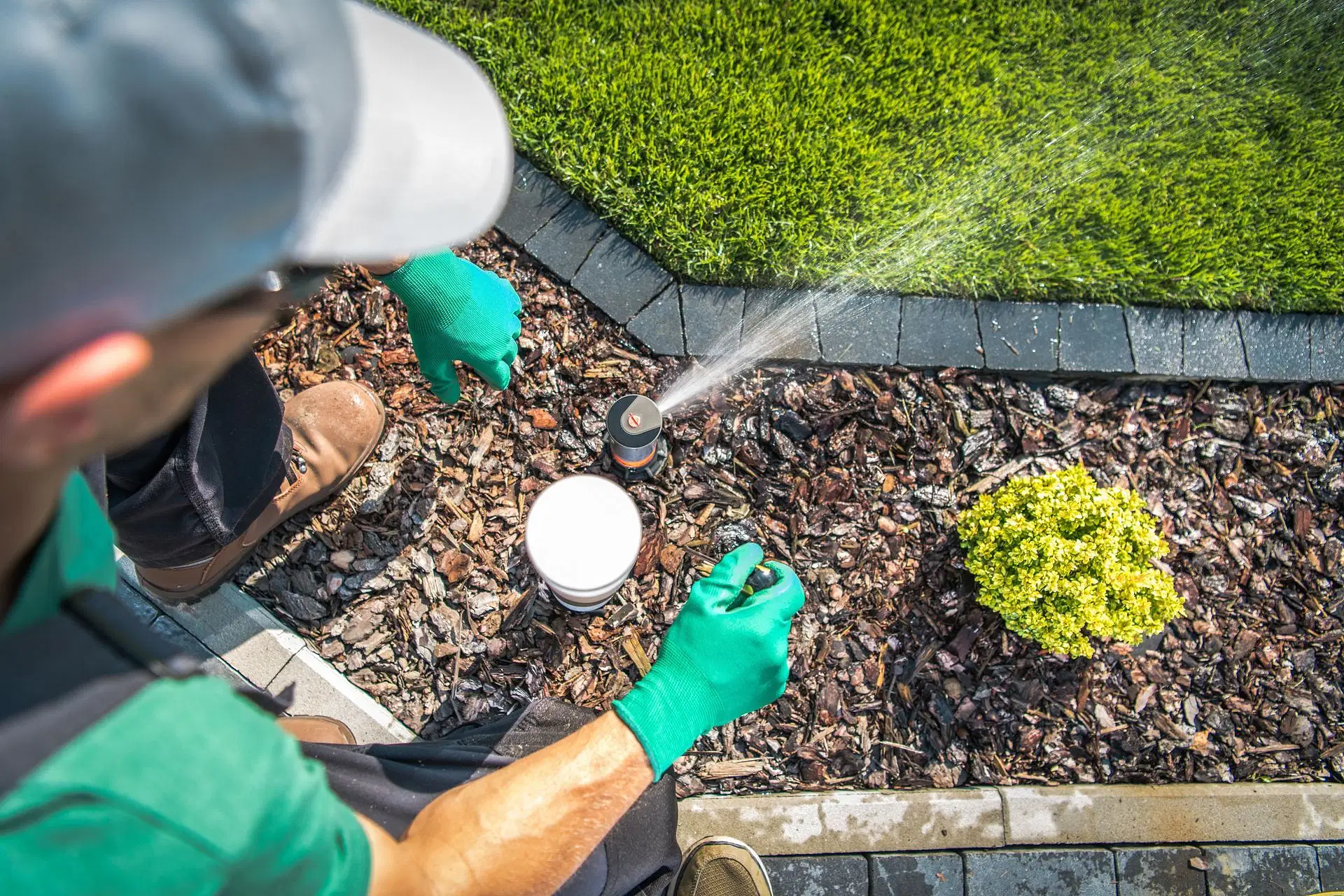
A frequent question we hear from homeowners is exactly when to schedule a sprinkler blowout. Timing is everything. You want to schedule this service shortly after the secondary water is shut off, but absolutely before the first hard freeze hits Davis County. Waiting too long puts your underground pipes, backflow preventers, and sprinkler heads at severe risk of ice expansion.
While some homeowners attempt to drain their systems using gravity or small home air compressors, these methods rarely remove all the moisture from the complex network of underground lines. Water pools in the low points of the PVC or poly piping, silently freezing and expanding as winter sets in.
A professional blowout uses commercial-grade air compressors that deliver a high volume of air at a safe, regulated pressure. This ensures every drop of water is evacuated without damaging the delicate internal mechanisms of your sprinkler heads or valves. To secure your spot on our fall schedule and give yourself peace of mind, learn more about our comprehensive sprinkler winterizations and book early.
Using the Off-Season to Plan Water-Wise Upgrades
Once your system is safely winterized, the dormant season provides an excellent opportunity to evaluate your landscape design and irrigation efficiency. With strict water conservation policies and severe drought conditions shaping how we manage our outdoor spaces, optimizing your system is more important than ever.
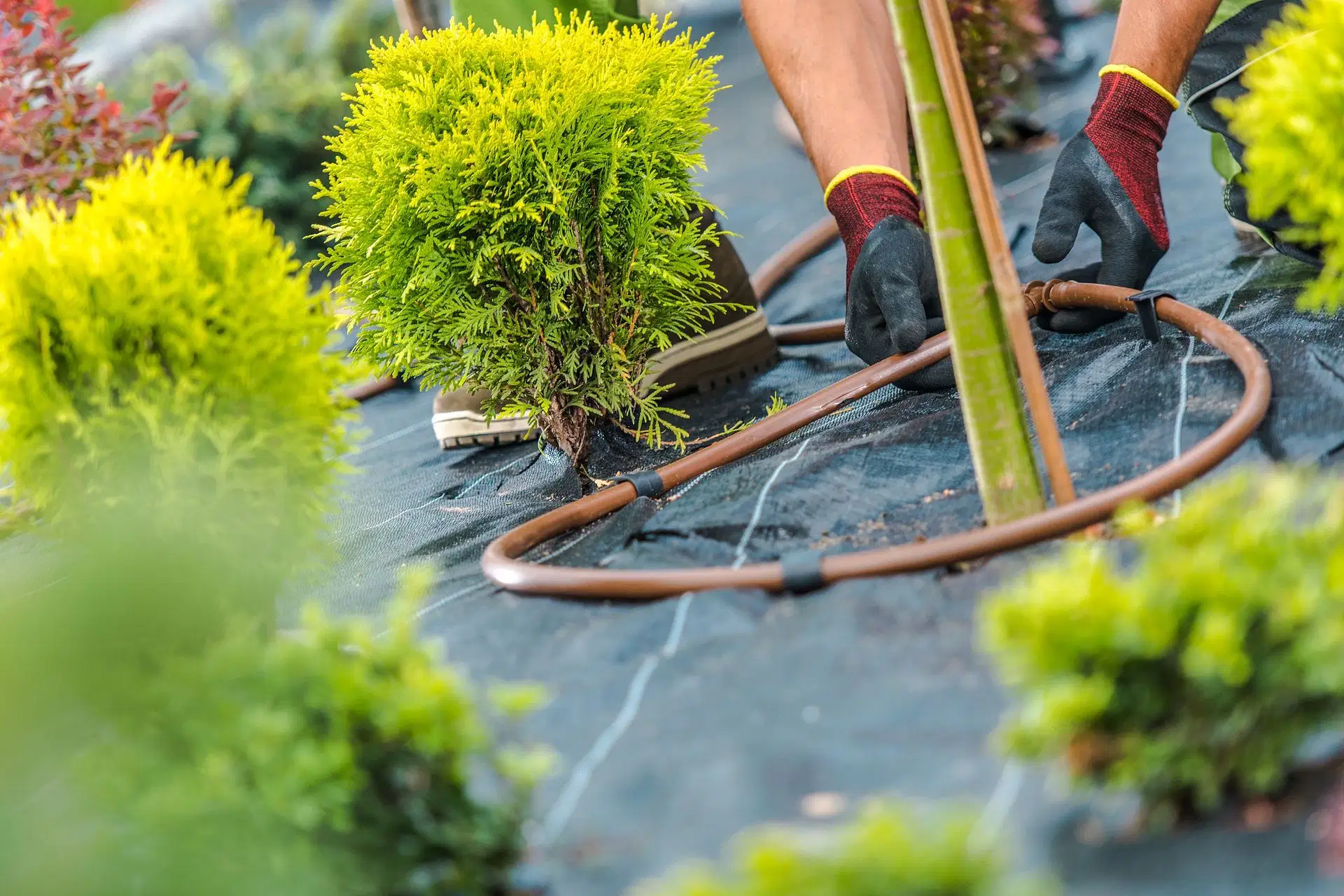
Are you considering transitioning parts of your lawn to drought-tolerant native plants? Planning for xeriscaping services or applying for the local turf replacement rebates requires a well-thought-out irrigation strategy, often involving conversions from traditional spray heads to highly efficient drip lines.
Winter is the ideal time to schedule a professional evaluation to discuss these upgrades. A thorough sprinkler consultation can help you identify areas where you can improve water efficiency, integrate weather-based smart controllers, and tailor your watering zones to accommodate the specific soil conditions of your property. Planning now means you can hit the ground running with a highly efficient system as soon as the water is turned back on in the spring.
Wrapping Up Your Fall To-Do List
Preparing for the secondary water shutoff doesn't have to be a stressful chore. By taking the right steps to clear your filters, protect your pumps, and schedule a professional blowout, you are actively extending the lifespan of your irrigation system and safeguarding your landscaping investment.
At Oberg Irrigation, we pride ourselves on providing the reliable, punctual, and expert service our community expects. Whether you need a comprehensive winterization, help managing your specialized pump equipment, or a customized plan to make your yard more water-efficient next season, our team is here to help.
Don't let the first winter freeze catch your irrigation system off guard. Reach out to us today through our contact page to schedule your essential fall maintenance and ensure your Farmington area property is perfectly prepared for the changing seasons.