
Mastering Sprinkler Scheduling for Fall Lawn Overseeding
As the intense summer heat begins to fade and the leaves along the East Bench start to change, many homeowners look out at their lawns and notice the toll the hotter months have taken. Thin patches, dry spots, and general wear and tear are common sights. This makes early autumn the absolute perfect time for overseeding your lawn. The soil is still warm enough for rapid germination, but the cooler air reduces heat stress on the tender new grass. However, simply tossing seed onto your yard isn't enough to guarantee a lush, thick carpet of grass next spring. The secret to success lies entirely in how you manage your water.
Whether you live in Farmington or elsewhere in the region, watering newly distributed grass seed requires a completely different approach than watering an established lawn. If you overwater, the seeds can rot or wash away. If you underwater, the seeds will dry out and die before they ever have a chance to sprout. Finding that perfect balance can feel overwhelming, but with a solid understanding of how your irrigation system works, you can easily set your yard up for success. In this guide, we will walk you through exactly how to adjust your watering habits to ensure those new seeds take root.
How Often to Water Your Lawn After Overseeding
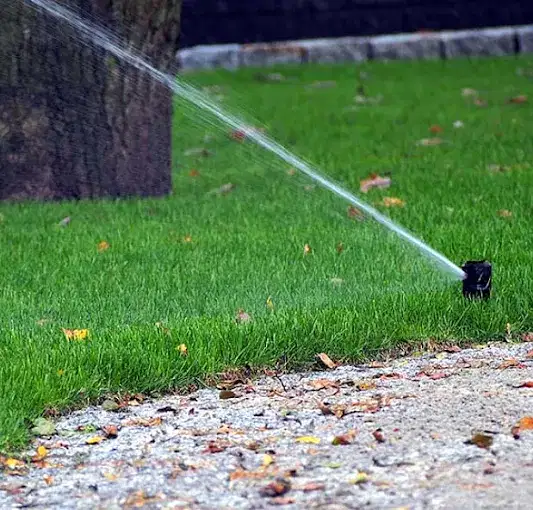
One of the most frequent questions we hear from homeowners is how often to water a lawn after overseeding. The rule of thumb for brand new grass seed is that the soil must remain consistently moist, but never soggy or puddled. For an established lawn, we typically recommend deep, infrequent watering to encourage deep root growth. Overseeding flips that rule completely on its head.
During the first 10 to 14 days after laying down your seed, you will need to water lightly and frequently. Depending on the weather and the specific microclimate of your yard, this usually means running your sprinklers two to three times a day. The goal is to just wet the top quarter-inch of the soil where the seed sits. If you are dealing with the heavy clay soil common in our area, you have to be especially careful about runoff. Clay soil absorbs water slowly, so keeping your watering intervals short prevents the water from pooling and washing your expensive seed down the driveway.
If you aren't sure how your specific soil type will react to frequent watering, or if you need help assessing the current health of your turf before you start the overseeding process, booking a professional lawn care consultation is a great first step. Having an expert evaluate your soil and existing grass can save you time, money, and frustration.
Creating Your Fall Overseeding Sprinkler Run Time Schedule
To give you a clearer picture, let's break down a typical fall overseeding sprinkler run time schedule. Keep in mind that these times should be adjusted based on rainfall, wind, and whether a storm is rolling in off The Lake.
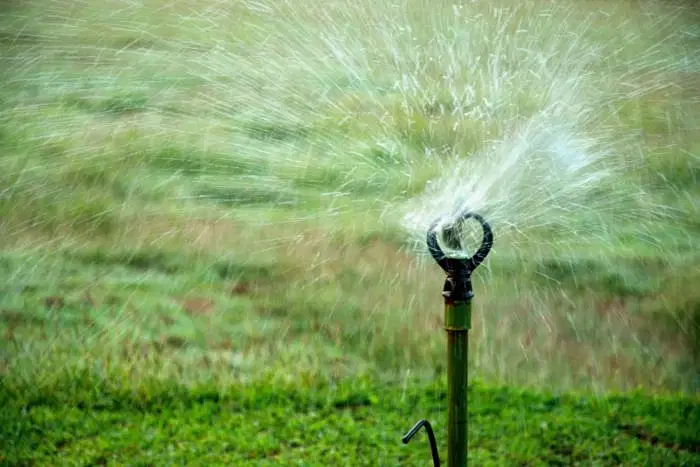
Phase 1: Germination (Days 1-14) During the first two weeks, set your controller to water three times a day. Morning, early afternoon, and late afternoon are ideal. Because you only need to moisten the surface, traditional pop-up spray heads might only need to run for 3 to 5 minutes per zone. If you have rotor heads, which rotate and deliver water more slowly, you might need 8 to 12 minutes per zone. Never water at night during this phase, as prolonged dampness in the cool night air can encourage fungal diseases.
Phase 2: Early Growth (Days 15-28) Once you see a fuzzy green layer of new grass emerging, you can begin dialing back the frequency while slightly increasing the duration. Transition to watering once a day, or even every other day if the weather is cool. Increase the run time by a few minutes per zone. This trains the new, fragile roots to start pushing deeper into the soil in search of moisture.
Phase 3: Establishment (Days 29+) After you have mowed the new grass for the first time, you can gradually transition back to your normal fall watering schedule. By this time, you should be watering deeply and infrequently, preparing the root system for winter.
Adjusting Irrigation Zones for New Grass Seed Germination
Not all areas of your yard will dry out at the same rate. The south-facing slopes of your property might bake in the afternoon sun, while the shady areas under large trees might stay damp all day. This means adjusting irrigation zones for new grass seed germination is crucial. A one-size-fits-all schedule will likely result in patchy growth.
If your current sprinkler setup doesn't allow for tailored zone programming, or if you have dry spots due to poor head placement, it might be time for a sprinkler system revamp. Modern smart controllers make it incredibly easy to assign different run times and frequencies to specific zones right from your smartphone. Upgrading an outdated controller can take all the guesswork out of your fall watering schedule and ensure compliance with any local water conservation guidelines.
Additionally, evaluating your system's layout before you seed is vital. If your sprinkler heads are sunken, misaligned, or providing uneven coverage, those dry spots will result in wasted seed. In some cases, a comprehensive sprinkler design update is necessary to achieve head-to-head coverage. Ensuring your irrigation system is operating at peak efficiency before the Davis County secondary water systems are shut off for the season will maximize your overseeding investment.
Wrapping Up Your Fall Lawn Care
Fall is a busy time for yard work, but taking the time to overseed and properly schedule your irrigation will pay off massively when spring arrives. By keeping the soil moist during germination, gradually encouraging deep root growth, and ensuring your irrigation system is precisely tuned, you can overcome summer lawn damage and build a resilient, beautiful yard.
At Oberg Irrigation, we know the unique challenges of maintaining a healthy landscape along the Wasatch Front. From navigating tricky clay soils to optimizing water usage, our team is here to help you get the most out of your irrigation system. If you need assistance programming your controller for overseeding, or if you want to make sure your system is performing flawlessly, reach out to us today via our contact us page. We look forward to helping you grow a stronger, greener lawn!