
How to Winterize Your Irrigation Pump to Prevent Freeze Damage
As the vibrant autumn colors fade and the crisp evening air settles in along the Wasatch Front, homeowners know that freezing temperatures are just around the corner. While most of us remember to disconnect our garden hoses and prep our homes for the colder months, there is one crucial outdoor element that often gets overlooked until it is too late: the irrigation pump.
Your sprinkler system is a significant investment in your property's curb appeal and overall value. Leaving water inside your pump and sprinkler lines when the temperature plummets can lead to disastrous consequences. Water expands when it freezes, exerting immense pressure on pipes, valves, and pump casings. This expansion is the leading cause of catastrophic equipment failure during the off-season.
At Oberg Irrigation, we have seen firsthand how a little bit of proactive maintenance can save families hundreds, if not thousands, of dollars in emergency landscaping and sprinkler repair costs. In this guide, we will walk you through the importance of draining your irrigation booster pump for winter, how to protect your equipment, and when it might be time to call in the professionals.
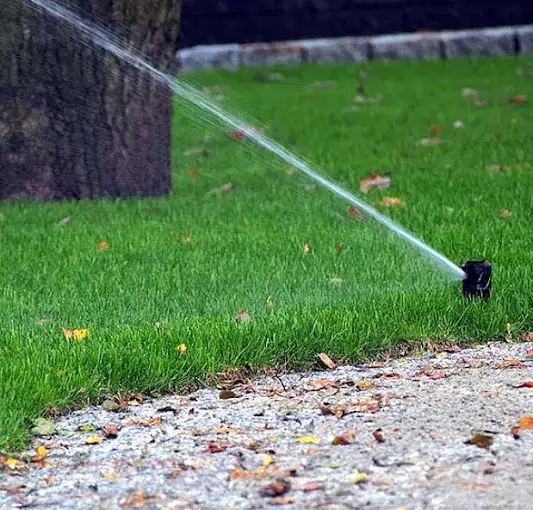
The Hidden Costs of Skipping Pump Winterization
One of the most common questions we hear is regarding the average landscaping cost associated with repairing winter damage. The truth is, replacing a cracked irrigation pump is significantly more expensive than the nominal fee of professional winterization.
When water freezes inside the cast iron or hard plastic casing of a pump, the expanding ice has nowhere to go. The resulting pressure easily shatters the housing. Preventing a cracked sprinkler pump from freezing should be a top priority for any homeowner who relies on a secondary water system or a booster pump to maintain adequate sprinkler pressure.
If the casing cracks, the pump is generally ruined and will require complete replacement once spring arrives. Furthermore, any ice that travels down into the intricate valves and manifolds can cause hidden underground fractures. When you turn the system back on in the spring, these fractures turn into geysers, leading to flooded yards, washed-out mulch, and a desperate need for Sprinkler Repairs. Taking the time to properly winterize your lawn irrigation pump is the most effective way to protect your landscaping investments and ensure a seamless start-up next season.
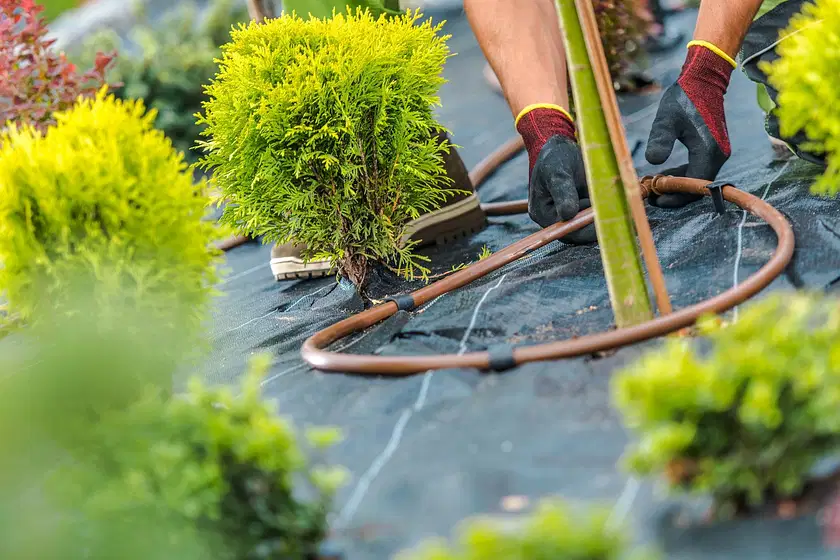
Step-by-Step: How to Winterize a Lawn Irrigation Pump
If you are comfortable with basic home maintenance, draining your irrigation booster pump for winter can be done by following a few critical steps. Keep in mind that every system is unique, but these general guidelines apply to most residential setups.
1. Disconnect the Power
Safety always comes first. Before you touch any plumbing, locate the power source for your irrigation pump and completely disconnect it. If your pump is hardwired, turn off the dedicated breaker in your electrical panel. You do not want the pump accidentally kicking on while it is empty, as running dry will quickly burn out the motor.
2. Shut Off the Water Supply
Locate the main water shut-off valve for your irrigation system and close it tightly. If you draw from a secondary water source, ensure the intake valve is fully secured so no new water can enter the system while you are trying to drain it.
3. Open the Drain Plugs
Most irrigation pumps are equipped with a plug at the lowest point of the pump casing. Using the appropriate wrench, carefully remove this plug and allow all the water to drain out completely. It is highly recommended to leave the drain plug out for the duration of the winter. Place it in a secure spot, like a labeled plastic bag taped to the pump motor, so it is easy to find when spring arrives.
4. Clear the Suction and Discharge Lines
Water can easily become trapped in the pipes leading to and from the pump. Open any unions or disconnect the pipes if possible to ensure gravity pulls the remaining water out. If your system is complex, utilizing compressed air to blow out the lines is the best way to guarantee they are entirely dry.
For those who prefer a hands-off approach or lack the specialized equipment required to blow out the lines safely, scheduling professional Sprinkler Winterizations is the smartest route. Our team ensures that every drop of water is purged from your pump, backflow preventer, and delicate drip lines.
When is the Best Time to Winterize?
Homeowners often wonder when they should schedule their lawn maintenance services for the end of the year. The ideal time to winterize your irrigation pump and sprinkler system is right before the first hard freeze hits the I-15 Corridor. In our region, this typically means taking action by mid-to-late October.
Waiting until you see frost on the windshield is a dangerous game. Sudden temperature drops overnight can freeze the water in your exposed pump casing within hours. By scheduling your winterization early, you secure your spot before the seasonal rush and enjoy the peace of mind that comes with knowing your property is protected.
Trust the Professionals for Comprehensive Irrigation Care
While tackling the draining process yourself is possible, the stakes are high if any moisture is left behind. Quality landscaping services understand the specific regional challenges of Utah winters. By trusting a licensed and insured local team, you eliminate the guesswork and ensure your system is handled with expert care.
At Oberg Irrigation, we pride ourselves on punctuality, transparent pricing, and unparalleled customer service. We understand that our clients lead busy lives and need reliable, time-saving solutions. Whether you need help preventing a cracked sprinkler pump from freezing, require complex Pump Installation & Maintenance, or want to schedule your annual winter blow-out, our skilled technicians are here to help.
Don't let the changing seasons threaten the health of your lawn and the integrity of your equipment. Contact us today to schedule your sprinkler winterization in Bountiful or the surrounding areas, and rest easy knowing your outdoor living spaces are in the hands of seasoned professionals.