
How to Eliminate Dry Lawn Patches with Simple Sprinkler Adjustments
Summers along the Wasatch Front can be incredibly unforgiving on our yards. Just when you think you have your watering schedule perfectly dialed in, those frustrating brown patches start appearing in the middle of your otherwise healthy lawn. You are certainly not alone in this—fixing brown grass spots from poor irrigation is one of the most frequent requests we receive at Oberg Irrigation.
Often, homeowners immediately assume their lawn needs more fertilizer, or worse, that it is suffering from a fungal disease. They might even try to fix the issue by drastically increasing their watering times, which can lead to hefty water bills and further damage. In reality, the culprit is frequently a misaligned, damaged, or inefficient irrigation system. A healthy, vibrant yard relies entirely on uniform water distribution. Let's explore how you can identify the root causes of these dry zones and make the necessary sprinkler adjustments to restore your home's curb appeal.
Diagnosing the Problem: Is It Really Your Sprinklers?
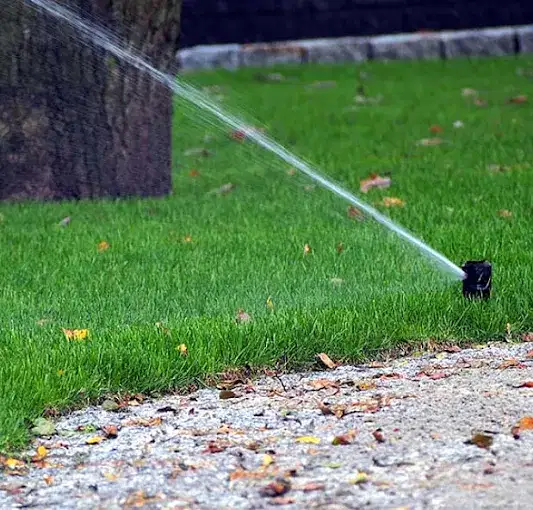
Before you start digging up your yard or twisting sprinkler heads, it is vital to confirm that uneven sprinkler coverage causing dead grass patches is actually the problem you are facing. Pests like grubs and certain lawn diseases can sometimes mimic drought stress perfectly.
A highly effective, do-it-yourself method to test your coverage is the classic "tuna can test." Gather several empty, flat-bottomed cans (tuna or cat food cans work perfectly) and place them systematically around your lawn. Make sure to put a few directly in the middle of the brown spots and a few in the lush, green areas. Run your sprinklers for a standard watering cycle, typically about 20 minutes.
After the cycle finishes, measure the water depth in each can. If the cans located in the dry zones have significantly less water—or no water at all—you have successfully diagnosed a coverage issue. If all the cans have the same amount of water, you may be dealing with poor soil quality, a pest issue, or clay soil drainage problems that require a different approach to your regular landscaping services.
Common Sprinkler Issues and Simple Fixes
Once you know how to fix dry spots in lawn from sprinklers, you can quickly address the underlying mechanics of your system. A few basic sprinkler repairs can often make an immediate difference in your lawn's health.
Clearing Clogged Nozzles and Filters
Our local water, especially for homes utilizing secondary water systems, often contains small debris, sand, and mineral deposits. Over time, these particulates get trapped in the fine mesh screens inside your sprinkler heads. When a nozzle clogs, the spray pattern becomes distorted, often misting unevenly or completely missing its intended target. Carefully unscrewing the nozzle and rinsing the small plastic filter under clean water is a quick landscaping repair that instantly restores full water flow.
Addressing Sunken or Tilted Sprinkler Heads
Over the years, the natural freezing and thawing cycles of the soil, combined with routine lawn aeration and mowing, can cause sprinkler heads to sink below the soil line or tilt to one side. When a sprinkler head is sunken, the spray hits the surrounding grass blades rather than broadcasting outward, leaving distant areas entirely parched while flooding the immediate vicinity.
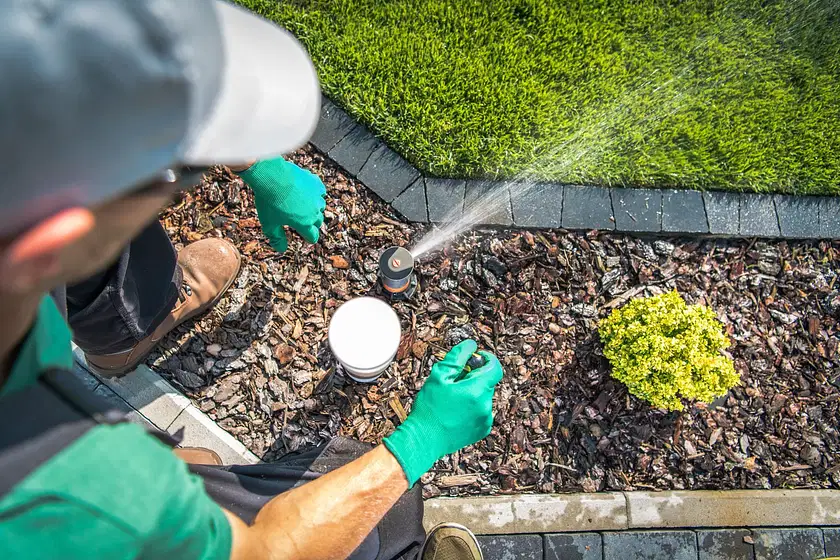
To fix this, carefully dig a small perimeter around the affected sprinkler head, being cautious not to damage the underlying lateral line. You can install a slightly taller riser or gently pack dirt beneath the head to ensure it sits perfectly flush with the soil grade and stands vertically straight.
Adjusting the Arc and Radius
Sometimes, the fix is as simple as tweaking the settings on your sprinkler rotors. If your sprinkler is spraying the sidewalk, driveway, or side of your house instead of the grass, you are wasting water and starving your turf. Most modern rotors require a small adjustment tool (often just a flathead screwdriver) to increase or decrease the spray distance (radius) and the left-to-right rotation (arc). Ensuring head-to-head coverage—where the water from one sprinkler reaches all the way to the adjacent sprinkler—is the golden rule of efficient irrigation.
When Basic Adjustments Aren't Enough
Landscapes are living, breathing ecosystems that change over time. The irrigation system that worked flawlessly five years ago might struggle today. Mature trees grow larger, casting new shadows and developing expansive root systems that steal water from the turf. Additionally, new garden beds, patios, or home additions can completely disrupt original water flow patterns.
If you find yourself constantly battling dry patches despite performing regular maintenance, it may be time to consider a comprehensive sprinkler system revamp. Upgrading older, inefficient components to modern, high-efficiency rotary nozzles can drastically improve water distribution uniformity.
Furthermore, integrating a smart irrigation controller allows your system to adjust watering schedules automatically based on real-time local weather data, soil moisture levels, and evaporation rates. This not only eliminates dry spots but also prevents overwatering, conserving a significant amount of water and reducing your monthly utility bills.
Keep Your Lawn Green and Thriving
Maintaining a healthy, vibrant lawn doesn't have to be a constant, exhausting struggle against the summer heat. By staying proactive with your system maintenance, testing your coverage periodically, and addressing dry spots the moment they appear, you can maintain a beautiful outdoor living space for your family to enjoy all season long.
If you are tired of guessing why your grass continues to turn brown, or if you simply don't have the time to troubleshoot a complex system, the expert team at Oberg Irrigation is ready to assist. We provide thorough lawn care consultations to evaluate your entire property, identify inefficiencies, and pinpoint exactly what your yard needs to thrive.
Don't let dry patches ruin your home's curb appeal this summer. Contact us today to schedule a visit, and let us take the stress out of managing your irrigation system.