
Diagnosing Low Sprinkler Pressure in Midsummer
Summer brings beautiful long days, but it also delivers intense heat. For homeowners along the Wasatch Front, keeping the lawn green requires a reliable and efficient irrigation setup. But what happens when you notice your sprinkler heads barely popping up, or the water isn't reaching nearly as far as it did in May? If you have been asking yourself why your sprinkler system is losing pressure in summer, it is a frustrating but common issue.
Midsummer is the worst time for an irrigation failure, especially when you are trying to maintain your home's curb appeal and protect your landscaping investment. At Oberg Irrigation, we see this problem frequently, and we want to help you understand what is going wrong and how to fix low water pressure in lawn sprinklers before your grass starts turning brown. Getting ahead of the problem with a professional lawn care consultation is a great first step, but there are also several things you can inspect on your own to identify the root of the problem.
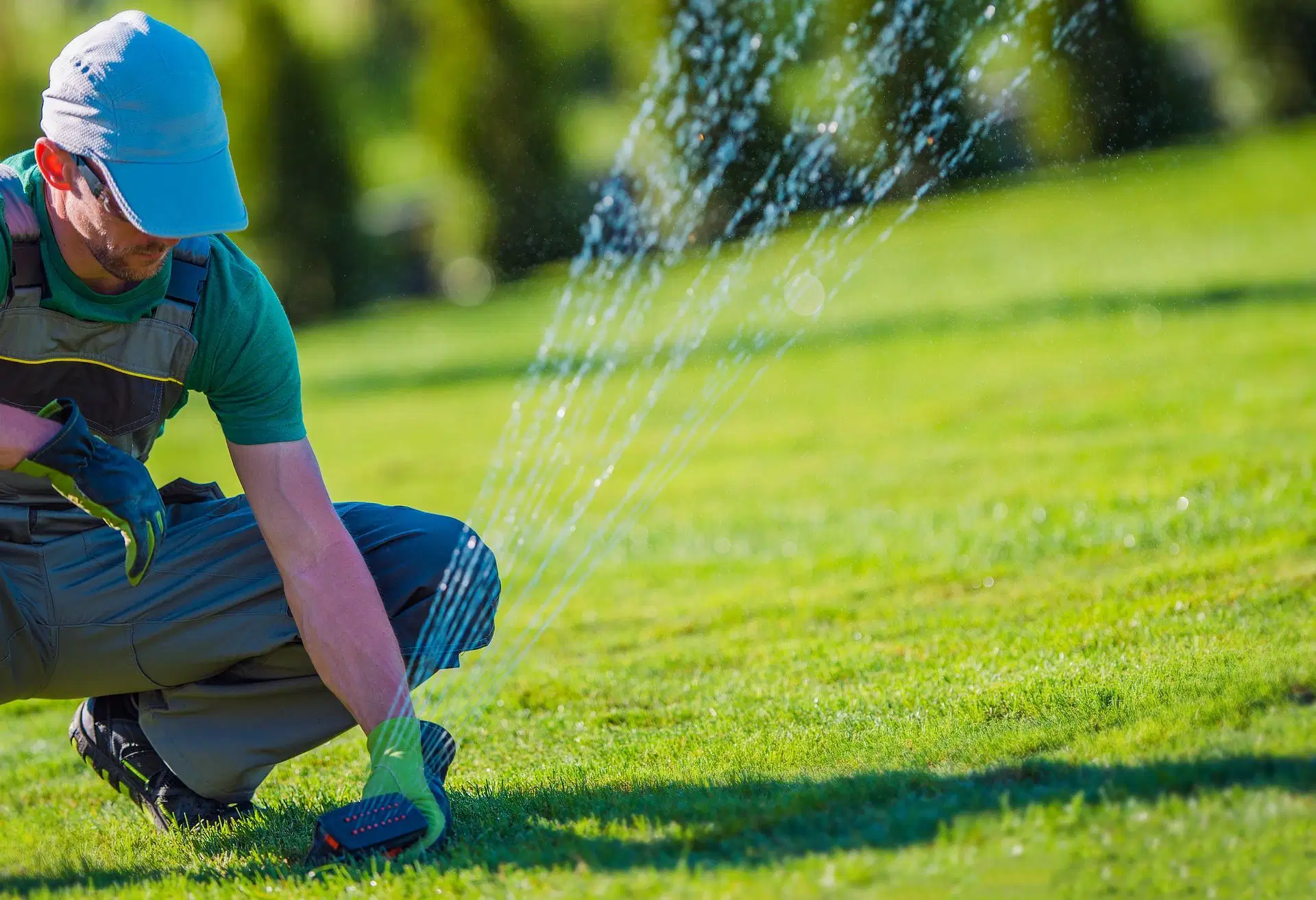
Common Culprits Behind Midsummer Pressure Loss
When troubleshooting sprinkler zone pressure drop, the first step is understanding that the issue could be isolated to one single area or affecting your entire yard. There are a few frequent causes we encounter during the peak summer months.
First, consider municipal water demand. During the hottest weeks in July and August, everyone in the neighborhood is watering their lawns. If your timer is set for the peak morning hours, you might simply be competing with your neighbors for water volume.
Second, clogged nozzles or filters are incredibly common. If you use secondary water, debris, algae, and sediment can easily bypass standard screens and clog your system. This is especially true for homes on the East Bench where secondary water sources can carry fine particulates and debris that build up over the season.
Third, you might have an underground leak. A cracked pipe or a broken PVC fitting will siphon off pressure before the water ever reaches the sprinkler head. Because much of our local area features heavy clay soil, these leaks might not immediately surface as obvious puddles, making them trickier to spot right away.
How to Troubleshoot and Resolve Pressure Drops
If you are dealing with a sudden drop in performance, a quick visual inspection can save you a lot of time. Start by checking your backflow preventer and main water valves to ensure they are fully open. Sometimes, these valves get bumped, turned by curious kids, or partially closed during routine yard maintenance.
Next, run the affected zone and slowly walk the line. Look for bubbling water, overly mushy ground, or isolated patches of unexpectedly fast-growing grass, which are telltale signs of a subterranean leak. If the pressure issue is only happening in one specific area, you are likely dealing with a zone-specific issue rather than a main line problem. Valves can fail mechanically, or their internal rubber diaphragms can tear, preventing them from opening completely and restricting the flow of water.
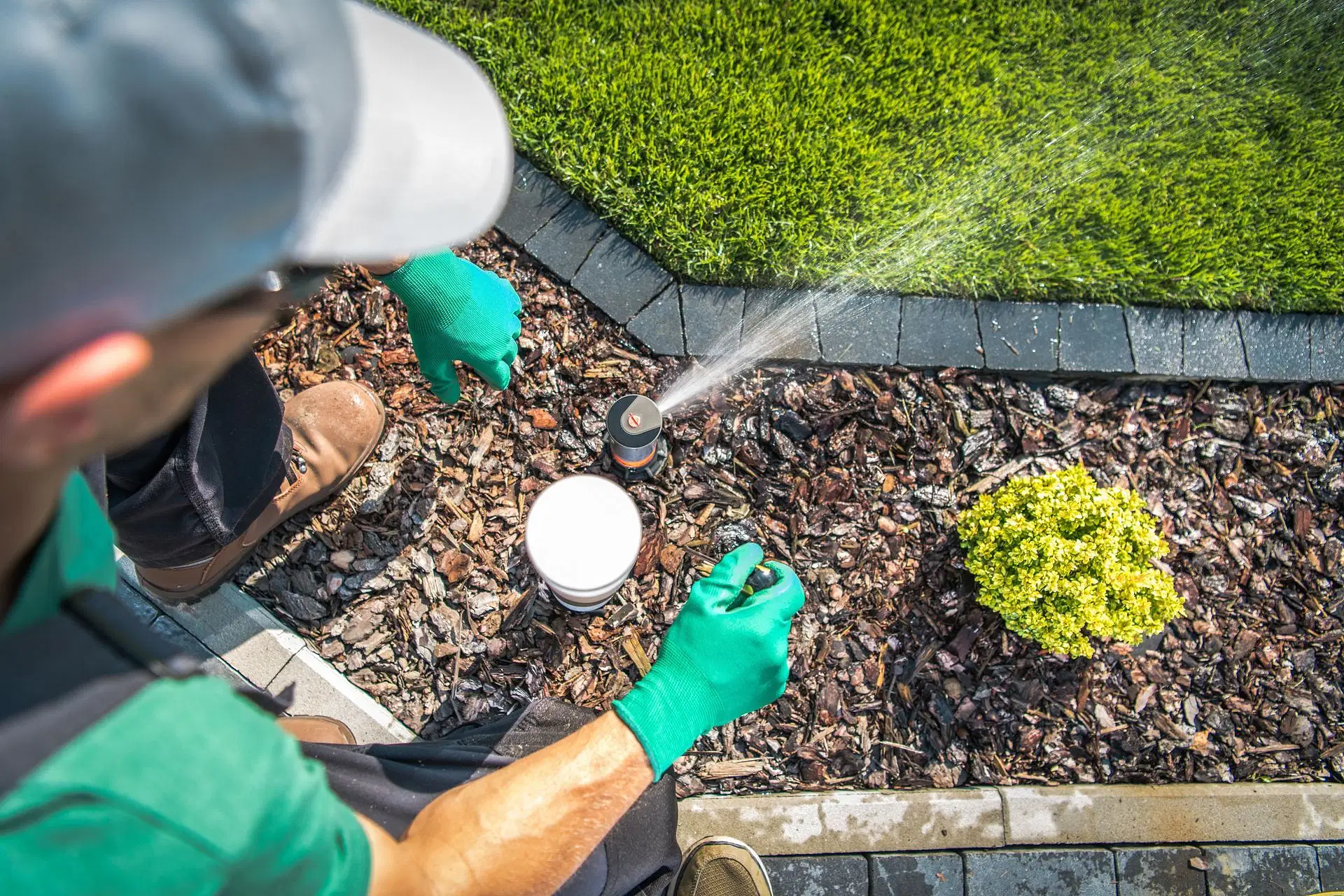
Finally, inspect the individual sprinkler heads. Gently pull up the riser, unscrew the nozzle, and check the small plastic mesh filter underneath. Rinsing out a summer's worth of grit, sand, and algae can often restore a struggling sprinkler head to full working order instantly.
Professional Solutions and Water-Wise Upgrades
While clearing a clogged nozzle is a straightforward weekend task, replacing a cracked manifold, repairing a broken line under heavy clay soil, or diagnosing complex electrical issues at the valve box requires specialized knowledge. If you have run through the basics and still cannot restore your system's performance, it is time to look into professional sprinkler repairs.
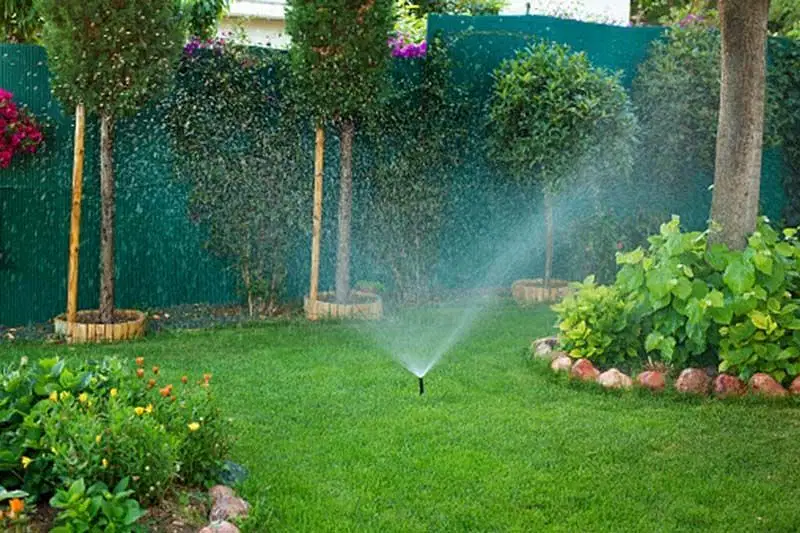
Beyond simple fixes, midsummer is also a strategic time to think about your yard's overall efficiency. With local water conservation policies and secondary water restrictions becoming the new normal in Davis County, adapting your landscape is a smart financial move. Upgrading to high-efficiency rotary nozzles or integrating smart weather-based controllers can optimize the water pressure you do have. In some cases, completely transforming a struggling grass zone with drought-tolerant native plants and drip irrigation can eliminate pressure worries altogether.
Taking a water-wise approach not only ensures compliance with local regulations but also significantly lowers your utility bills while keeping your yard pristine. If you are tired of battling low pressure, dry spots, and inefficient watering, reach out to Oberg Irrigation today. We are here to help you design, repair, and maintain an outdoor space that thrives beautifully all season long.