
A Homeowner's Guide: How to Perform a Sprinkler Water Audit
Living in Utah means adjusting to a unique climate, especially when it comes to keeping our landscapes healthy during the hot summer months. With severe drought conditions and strict secondary water restrictions often in place, homeowners in Farmington and the surrounding areas are increasingly focused on water efficiency. Not only does conserving water help the local environment, but it also prevents skyrocketing utility bills and keeps you compliant with municipal watering regulations.
One of the most effective ways to ensure you are watering your landscape efficiently is by performing a sprinkler water audit. If you have ever wondered why certain areas of your lawn are lush and green while others are plagued by dry, brown patches, an audit will give you the answers. By measuring exactly how much water your irrigation system delivers and how evenly it spreads that water, you can make informed adjustments that save money and promote a healthier, more resilient yard.
At Oberg Irrigation, we believe that smart water management starts with understanding your current system. Whether you are dealing with the heavy clay soil common in our region or trying to figure out the best watering schedule for your property, this guide will walk you through the essential residential sprinkler audit steps.
Understanding Irrigation Distribution Uniformity
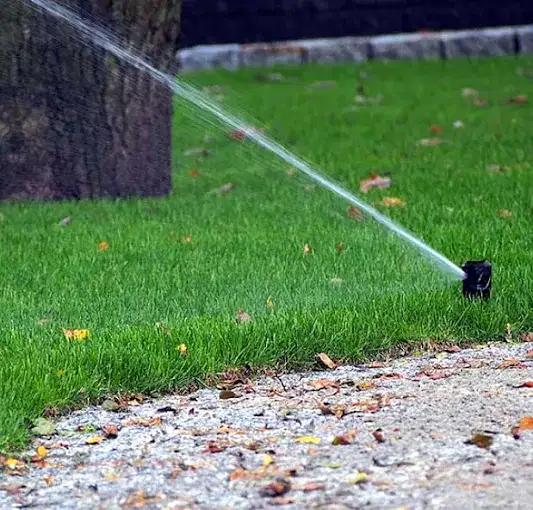
Before we dive into the physical steps of an audit, it is helpful to understand what we are actually testing. The primary goal of a water audit is measuring lawn irrigation distribution uniformity. In simple terms, this means checking if your sprinkler heads are applying water evenly across all areas of a specific irrigation zone.
Poor distribution uniformity is the leading cause of wasted water and unhealthy lawns. When water isn't distributed evenly, homeowners often overwater their entire yard just to keep the driest spots green. This practice not only wastes precious water but also leads to excessive runoff, especially on the sloping properties along the East Bench. Because the soil in our area often contains heavy clay, applying too much water too quickly results in pooling and runoff rather than deep, beneficial root absorption.
By identifying the inefficiencies in your system, you can adjust sprinkler heads, replace faulty nozzles, or even consider upgrading parts of your yard to more efficient methods. If you are struggling with persistent dry spots or suspect your system is underperforming, scheduling a professional lawn care consultation can help you identify underlying soil and irrigation issues.
How to Do a Sprinkler Catch Cup Test
The most practical method for evaluating your irrigation efficiency is the catch cup test. This simple DIY process allows you to collect and measure the water output of your sprinklers over a set period of time. Here is how you can conduct this test on your own property.
First, you will need to gather your supplies. You can purchase official irrigation catch cups, which usually have measurement lines printed directly on the side. If you prefer a household alternative, you can use identical straight-sided containers, such as tuna cans or small plastic food storage containers. You will also need a ruler to measure the water depth if your containers do not have markings, a notepad, and a pen.
Next, place your cups randomly but evenly across one irrigation zone of your lawn. Aim to use at least 10 to 12 cups per zone for an accurate reading. Make sure to place some cups close to the sprinkler heads, some midway between heads, and some in the center of the watering pattern where coverage might be weakest.
Once your cups are in place, turn on that specific sprinkler zone. Run the sprinklers for exactly 15 minutes. If you have an older system or notice significant runoff happening before the 15 minutes are up, you can run the test for 10 minutes, but be sure to record the exact time for your calculations.
After the time is up, turn off the system and measure the depth of water in each cup. Write down the measurement for every single cup in that zone. By adding all the measurements together and dividing by the number of cups, you will find the average water depth applied during your test timeframe.
Using Your Audit to Improve Efficiency
Now that you have your measurements, you are ready for the most important step: calculating zone run times for lawn sprinklers. Knowing your average water depth allows you to determine exactly how long your system needs to run to apply the recommended amount of water for your grass type and the current season.
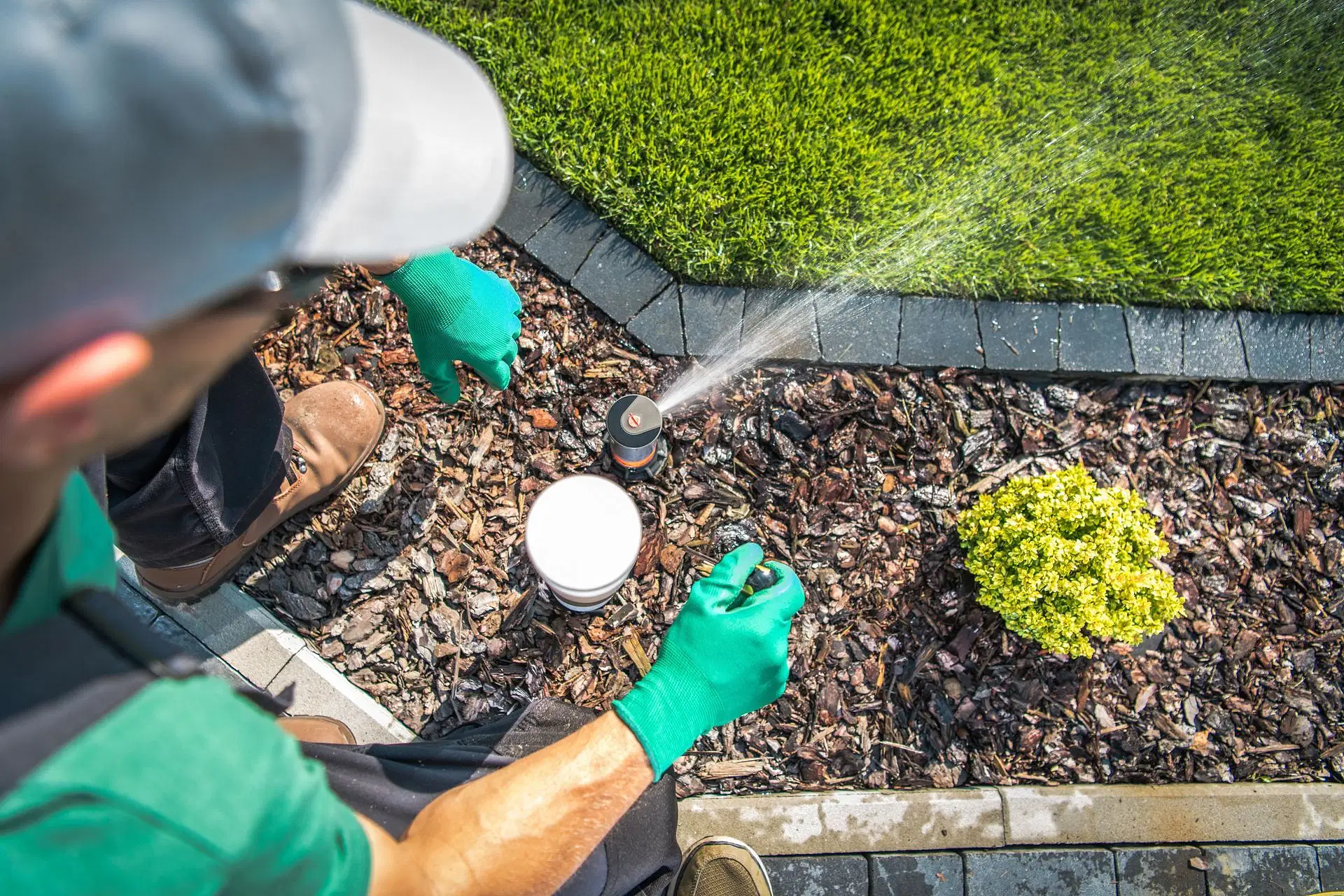
If you notice a massive variation between the cups in the same zone—for example, one cup has an inch of water while another has barely a drop—your distribution uniformity is low. This indicates that your sprinkler heads may need to be cleaned, realigned, or replaced. Fixing these inconsistencies is often the best way to figure out how to fix dead grass patches without simply dumping more water on the problem.
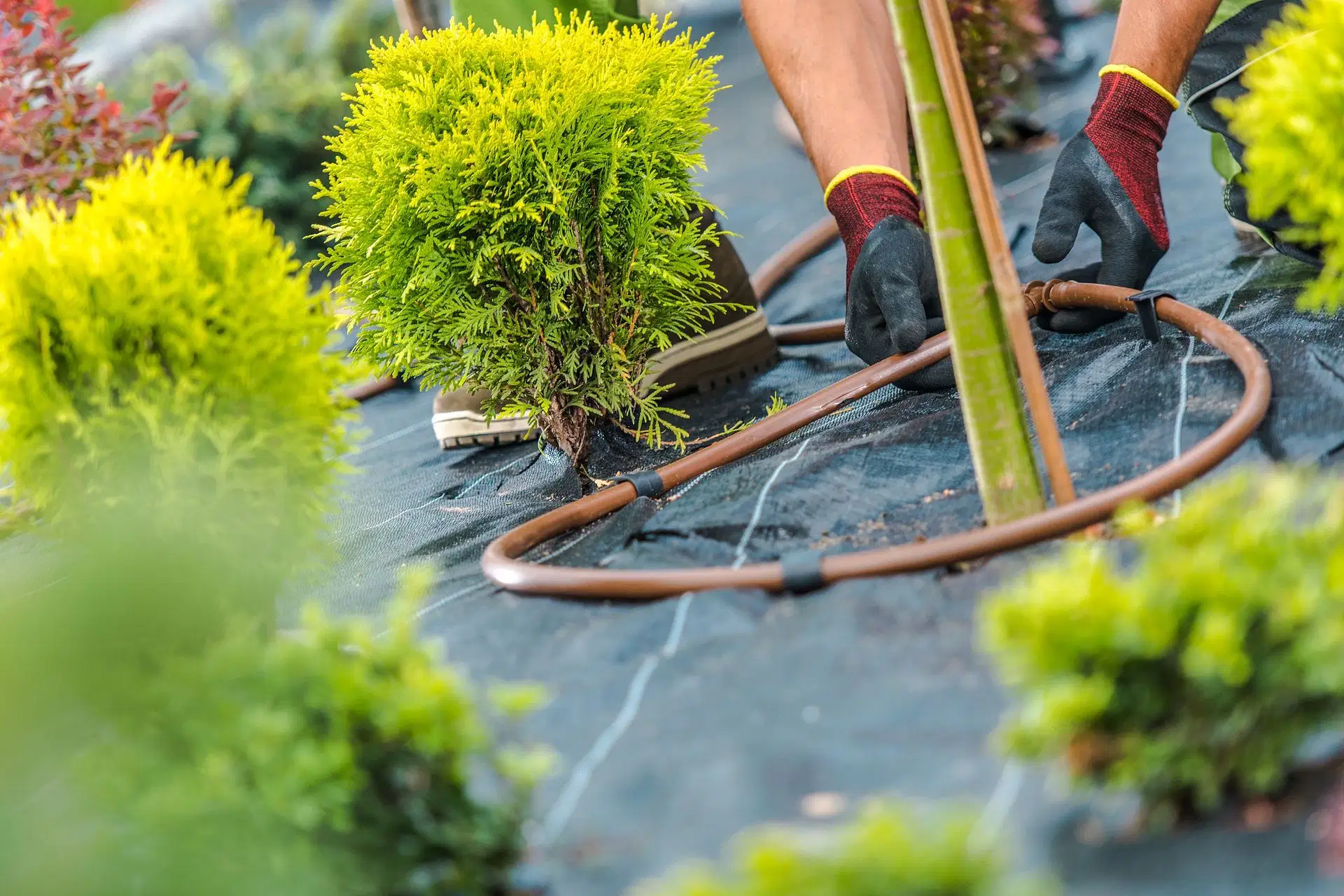
For many homeowners, a water audit reveals that traditional spray sprinklers are no longer the most efficient choice for their landscape's needs. If you are looking to maximize your water savings, you might consider upgrading to waterwise irrigation systems. Transitioning specific zones from spray heads to drip irrigation is incredibly effective for garden beds, park strips, and shrubs. Not only does this save water, but understanding your current water usage is also incredibly helpful if you are applying for local turf replacement rebates, like the Flip Your Strip program.
Time for an Irrigation Upgrade?
Performing a regular sprinkler water audit is a fantastic way to take control of your landscape's health and your monthly utility bills. By taking the time to measure, evaluate, and adjust your watering schedules, you are doing your part to conserve water while maintaining beautiful outdoor living spaces.
However, we know that analyzing irrigation data, adjusting complicated smart controllers, and replacing faulty valves can be a hassle. If you would rather leave the testing and tuning to the experts, Oberg Irrigation is here to help. We understand the unique seasonal challenges of Davis County and can design, repair, or upgrade your system to meet the highest efficiency standards.
Ready to get the most out of every drop of water? Schedule one of our professional sprinkler consultations today, or contact us to learn how a customized smart irrigation setup can transform your yard.